
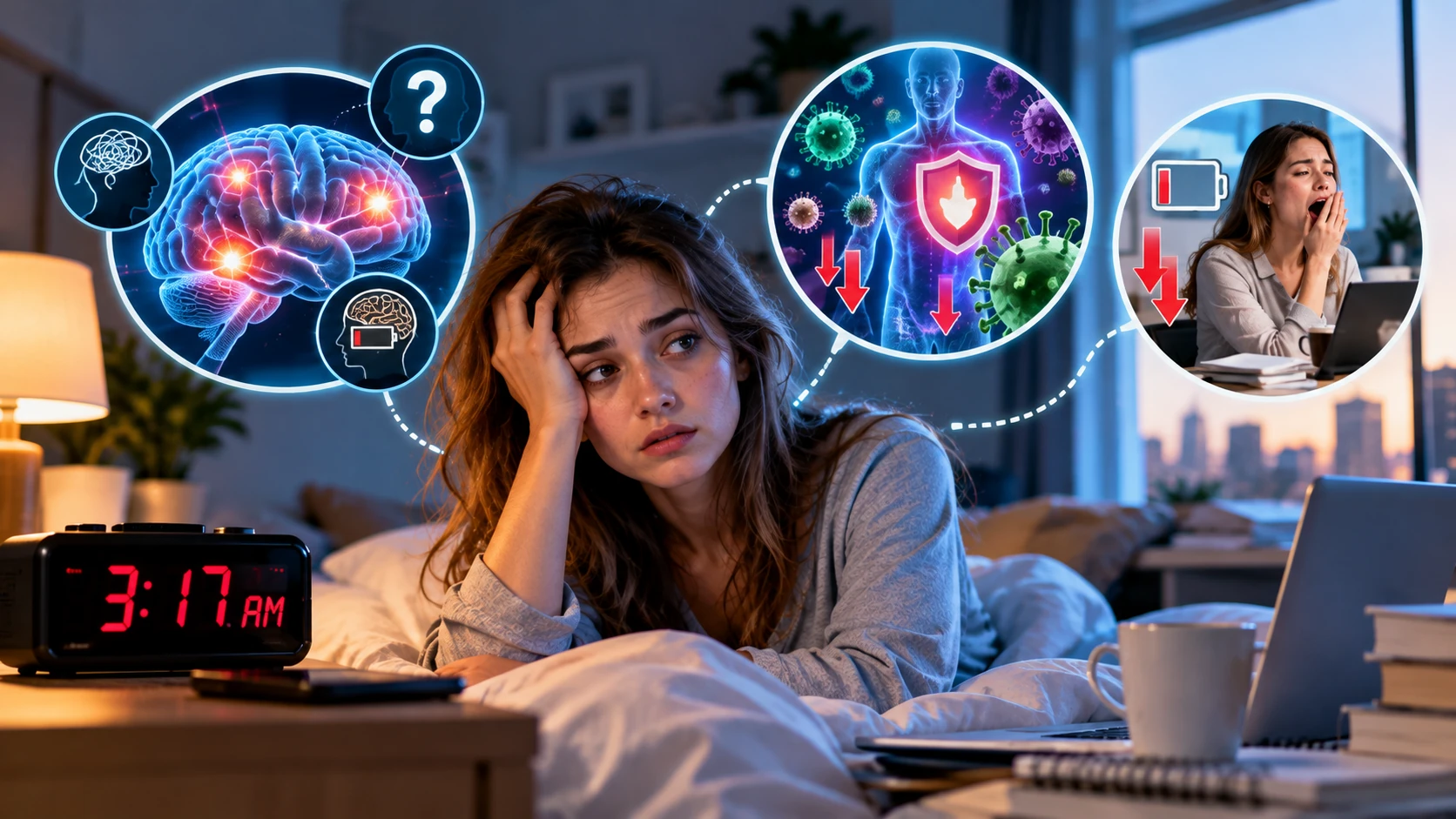
Sleep is essential for maintaining physical health, emotional balance, and mental performance. Yet, busy schedules, late-night screen time, work pressure, and irregular routines often prevent people from getting enough rest. While missing a few hours of sleep may seem harmless, regularly sleeping poorly can affect several important functions of the body.
From reduced concentration to changes in immune function and low daily energy, poor sleep can influence how you feel and perform throughout the day. Understanding these effects can help you recognize unhealthy sleep patterns and make practical changes to improve your overall well-being.
How Poor Sleep Affects Your Brain
Your brain remains active while you sleep. During different stages of sleep, it processes information, supports learning, and helps organize memories. Insufficient sleep can interfere with these processes and make everyday tasks more challenging.
1. Reduced Concentration and Memory
When you do not get enough sleep, you may find it difficult to focus, remember details, or complete complicated tasks. Sleep supports memory consolidation, which helps the brain retain and organize information learned during the day.
This is especially important for students, professionals, and anyone who needs to make decisions or learn new skills. Repeated sleep deprivation can reduce attention and increase the likelihood of mistakes.
2. Changes in Mood and Emotional Balance
Poor sleep can make people feel more irritable, impatient, anxious, or emotionally overwhelmed. Small problems may seem more difficult to manage after a restless night.
Sleep helps regulate the brain systems involved in emotional responses. When sleep is consistently disrupted, managing stress and responding calmly to everyday situations can become harder.
3. Slower Thinking and Reaction Time
Insufficient sleep can reduce alertness and slow reaction times. This may affect driving, operating machinery, working with equipment, or performing tasks that require quick decisions.
Severe sleep deprivation can cause brief episodes of unintended sleep, sometimes called microsleeps. These episodes can occur without a person fully realizing what is happening, making drowsy driving particularly dangerous.
How Poor Sleep Affects Immunity
Your immune system protects the body against infections and helps coordinate responses to harmful microorganisms. Sleep plays an important role in supporting these defenses.
1. Reduced Support for Immune Function
During sleep, the body carries out processes that help regulate immune activity. Consistently getting insufficient sleep may interfere with these processes and affect how effectively the body responds to infections.
People who regularly sleep poorly may be more vulnerable to certain respiratory infections. Adequate sleep does not guarantee that you will avoid illness, but it is an important part of maintaining normal immune function.
2. Effects on Inflammation
Sleep and the immune system influence each other. Poor sleep can contribute to changes in inflammatory activity, particularly when sleep disruption continues over time.
Chronic sleep problems are associated with several health risks, although sleep is only one factor among many. Nutrition, physical activity, stress, existing health conditions, and other lifestyle habits also influence long-term health.
3. The Importance of Recovery
When you are ill, adequate rest can support the body’s recovery processes. However, sleeping more than usual does not replace medical treatment when it is needed.
Maintaining a consistent sleep routine, eating a balanced diet, and following recommended vaccination and hygiene practices can help support overall health.
Why Poor Sleep Reduces Daily Energy
Feeling tired after a restless night is common, but ongoing sleep problems can affect much more than your energy level in the morning.
1. Persistent Fatigue
Poor sleep can leave you feeling physically exhausted, even after completing relatively simple activities. You may rely more heavily on caffeine or sugary snacks to remain alert, but these cannot fully replace the benefits of restorative sleep.
2. Lower Productivity
When energy levels drop, work may take longer, concentration may decline, and motivation can become harder to maintain. People may also find it difficult to stay engaged during meetings, classes, or conversations.
3. Changes in Appetite and Activity
Sleep influences hormones and brain signals involved in appetite regulation. Insufficient sleep can increase hunger or cravings in some people, making healthy eating habits more difficult to maintain.
Fatigue may also reduce the motivation to exercise or prepare nutritious meals, potentially creating a cycle in which poor sleep and unhealthy routines reinforce one another.
Simple Ways to Improve Sleep Quality
Improving sleep often begins with small, consistent habits.
- Maintain a regular schedule: Go to bed and wake up at approximately the same time every day.
- Create a relaxing bedtime routine: Try reading, gentle stretching, or listening to calming music.
- Reduce evening screen exposure: Put away bright screens before bedtime if they interfere with your ability to relax.
- Limit caffeine late in the day: Coffee, tea, energy drinks, and other caffeinated products can interfere with sleep.
- Make your bedroom comfortable: Keep the room dark, quiet, and comfortably cool.
- Stay physically active: Regular movement can support sleep, although intense exercise immediately before bed may not suit everyone.
- Get enough sleep: Most adults need at least seven hours per night, with individual needs varying.
When Should You Seek Medical Advice?
Occasional restless nights are common. However, persistent insomnia, loud snoring with pauses in breathing, waking up gasping, or excessive daytime sleepiness may indicate an underlying sleep disorder.
Consult a healthcare professional if sleep problems continue despite lifestyle changes or interfere with daily functioning.